ON JAPANESE CUISINE
01
Origins
Japanese cuisine traces its roots to shinsen — the offerings made to the gods in Heian-era rituals praying for an abundant harvest. The banquet cuisine of the imperial court, the formal cuisine of the nobility, the honzen of the samurai, the shōjin cuisine of Zen temples, and kaiseki, born of the tea ceremony — over a thousand years, these layered upon one another to become the Japanese cuisine we know today. A Zen temple in Wakayama, my hometown, is said to be one of the birthplaces of soy sauce.
02
Inheritance
Today, the number of chefs carrying these techniques forward grows smaller every year. To pass on what we received from those before us — not only within Japan, but to the world — is my mission, and our mission.
03
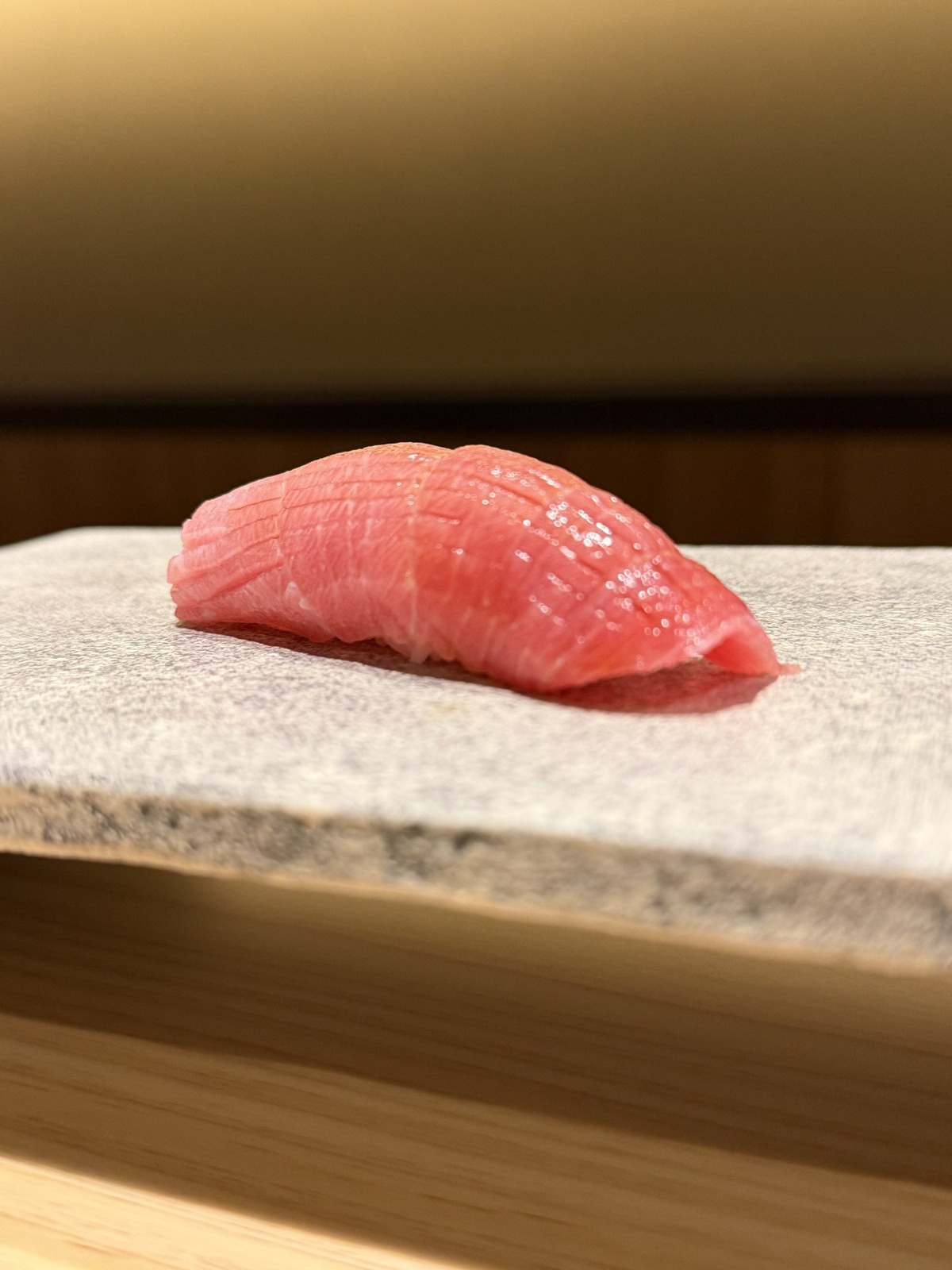
Zen
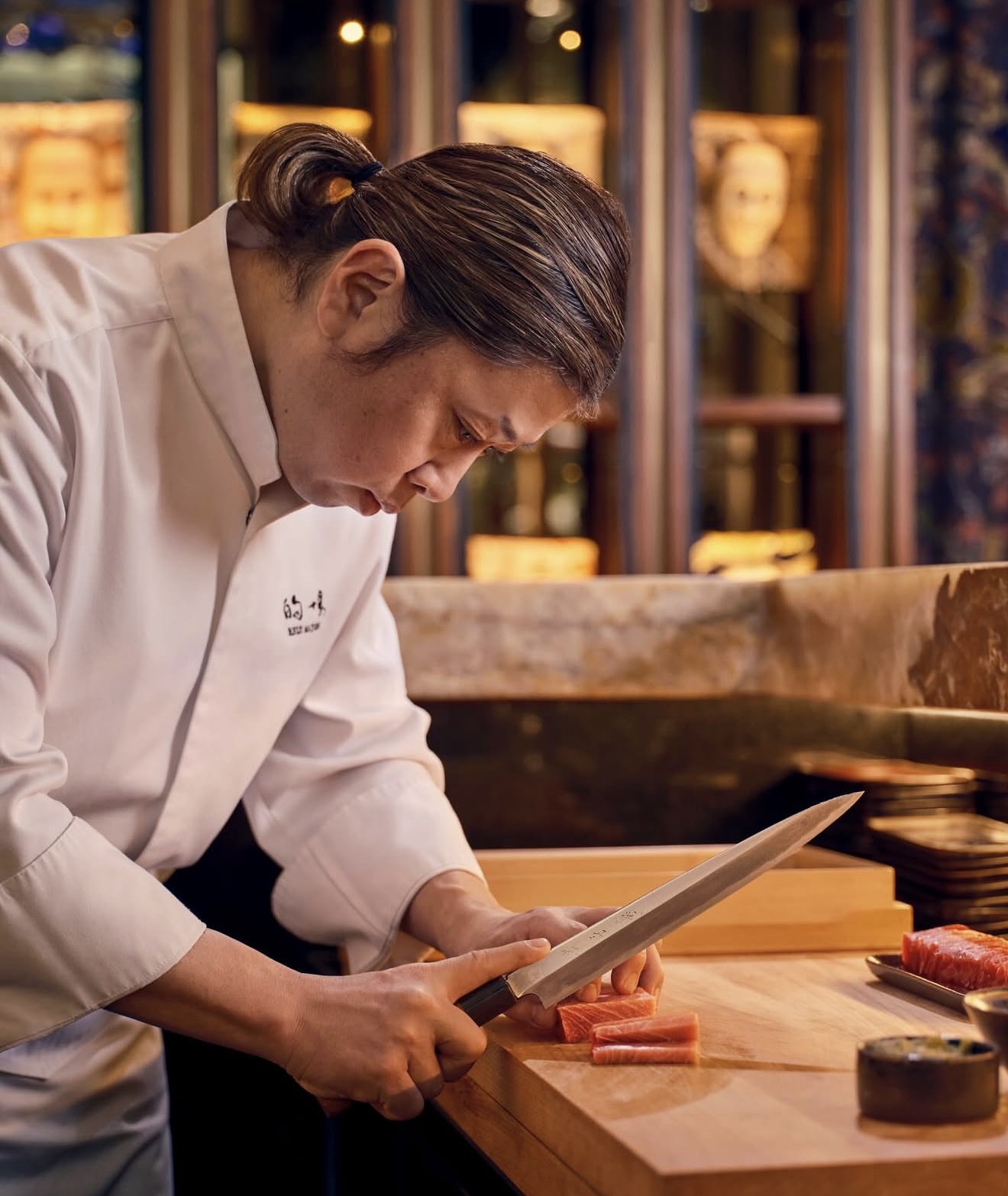
The ultimate Zen is the beauty of subtraction. To seek the finest ingredient, trust its true character, let it live, add nothing unnecessary — and draw it out. Traditionally, it reflects the season and speaks through the vessel and empty space. This is the honed core of Japanese cuisine, refined in Tokyo.
04
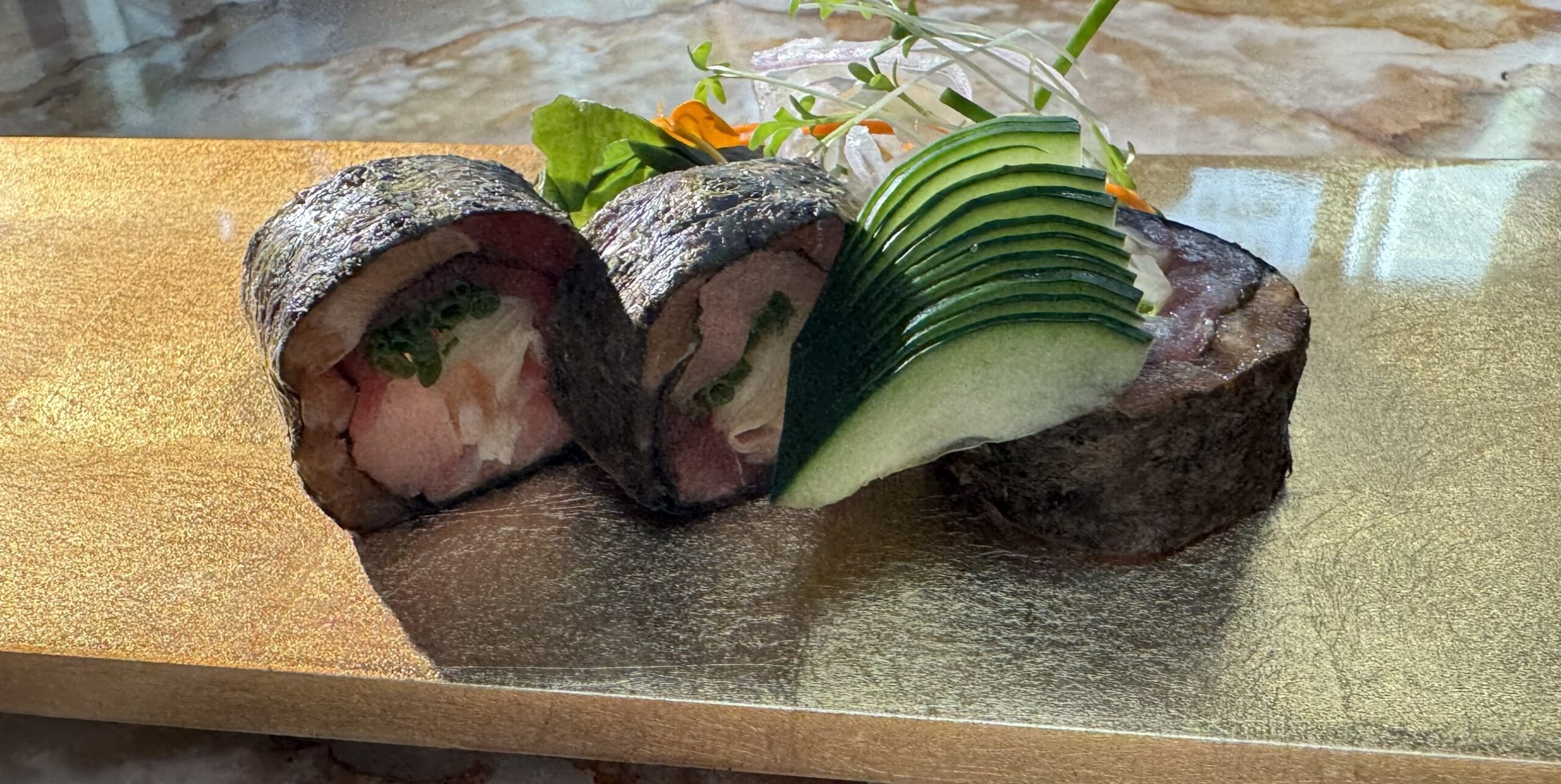
Miyabi
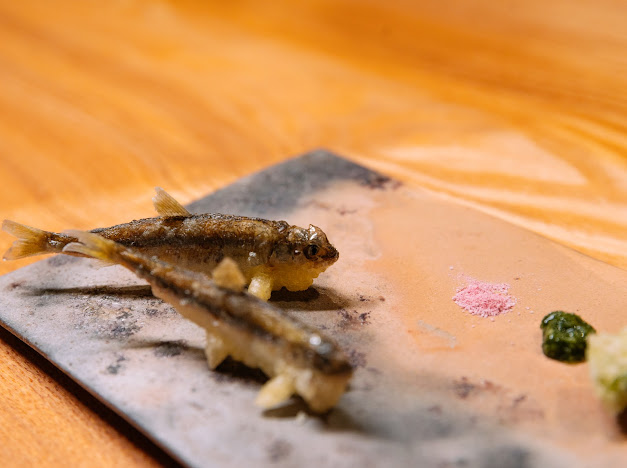
Yet some things cannot be reached by subtraction alone. Miyabi is elegance — it should be graceful and vibrant: beautiful to the eye, rich on the palate. Not only ingredients, but seasonings, aromas, even spices, building flavour with conviction. To layer the richness of miyabi over the stillness of Zen — this, I believe, is the future of Japanese cuisine, and the form in which it will be passed on.
05
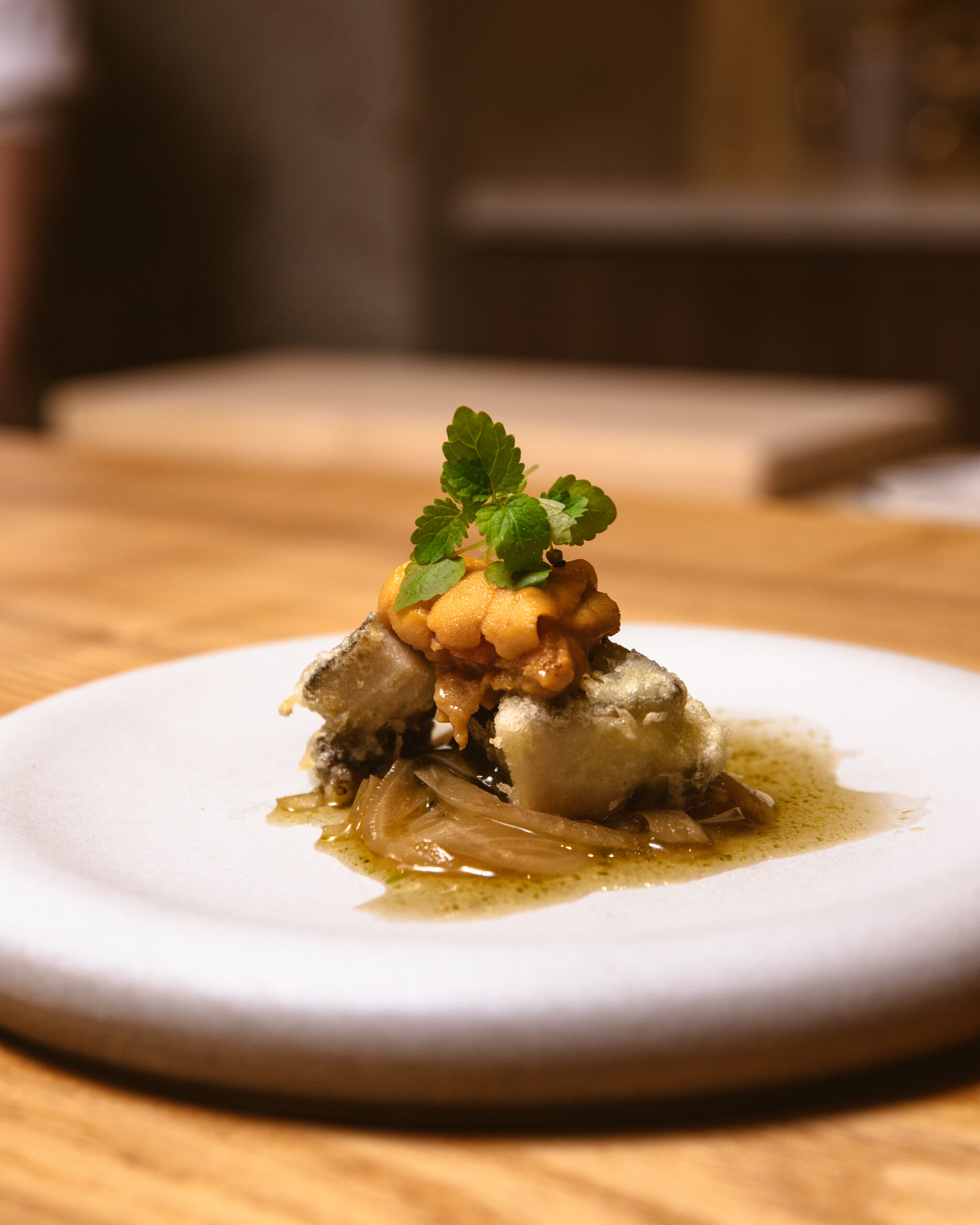
To the world
Simply protecting what we inherited from our predecessors will not reach today’s world. I have felt this for years. What I have seen, learned and felt in kitchens across many countries, I bring into Japanese cuisine, and offer to guests around the world.
06
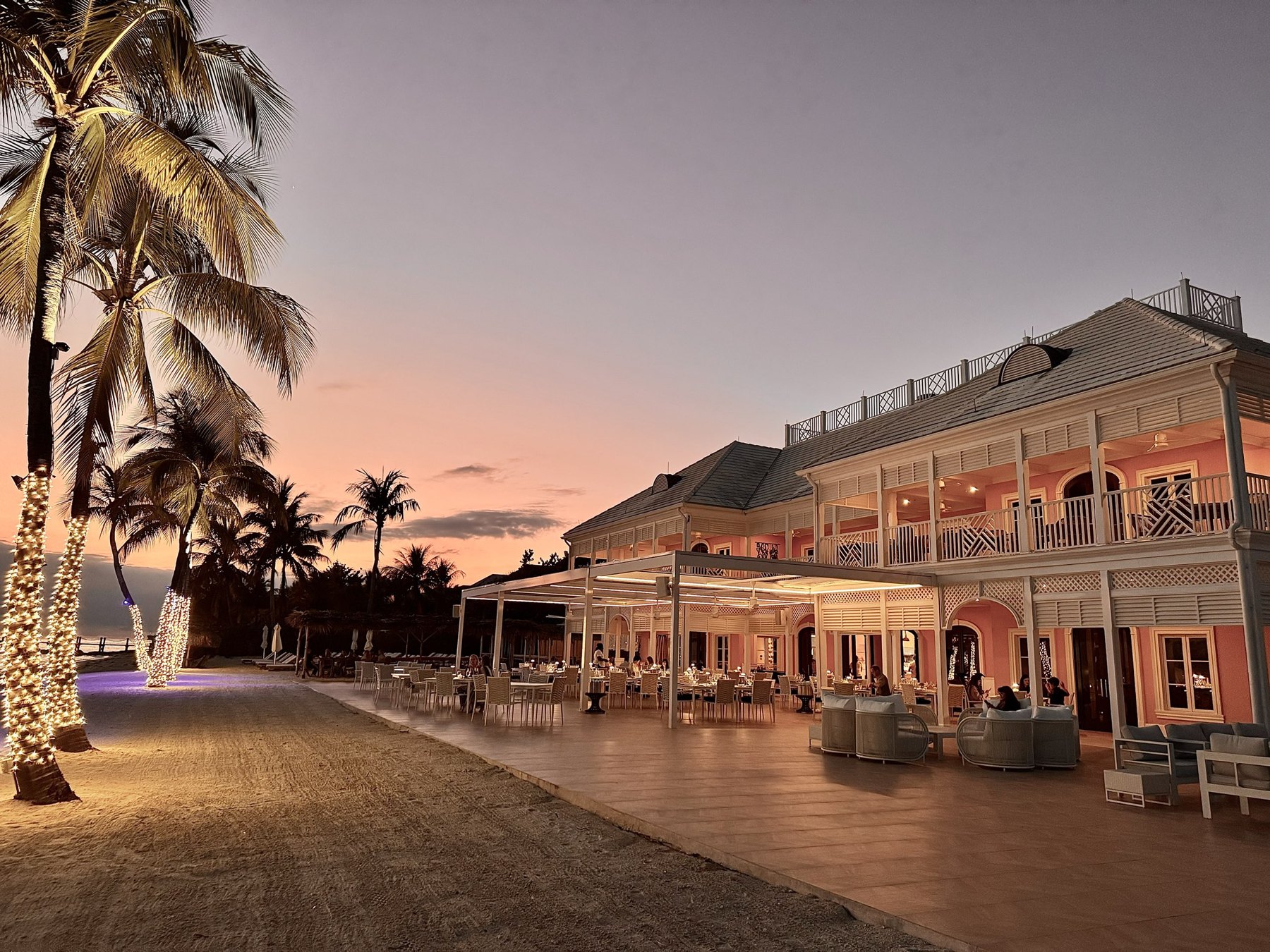
Hospitality
There are as many ways to eat and to feel as there are people. If you ask, I will gladly make a suggestion. But I will never impose a “correct” way to eat. Food is not for competing in knowledge; it is for each guest to enjoy in their own way.
What matters most to me is constantly renewing the possibilities of each ingredient. To truly reach people across languages and cultures, I believe there is no other way.
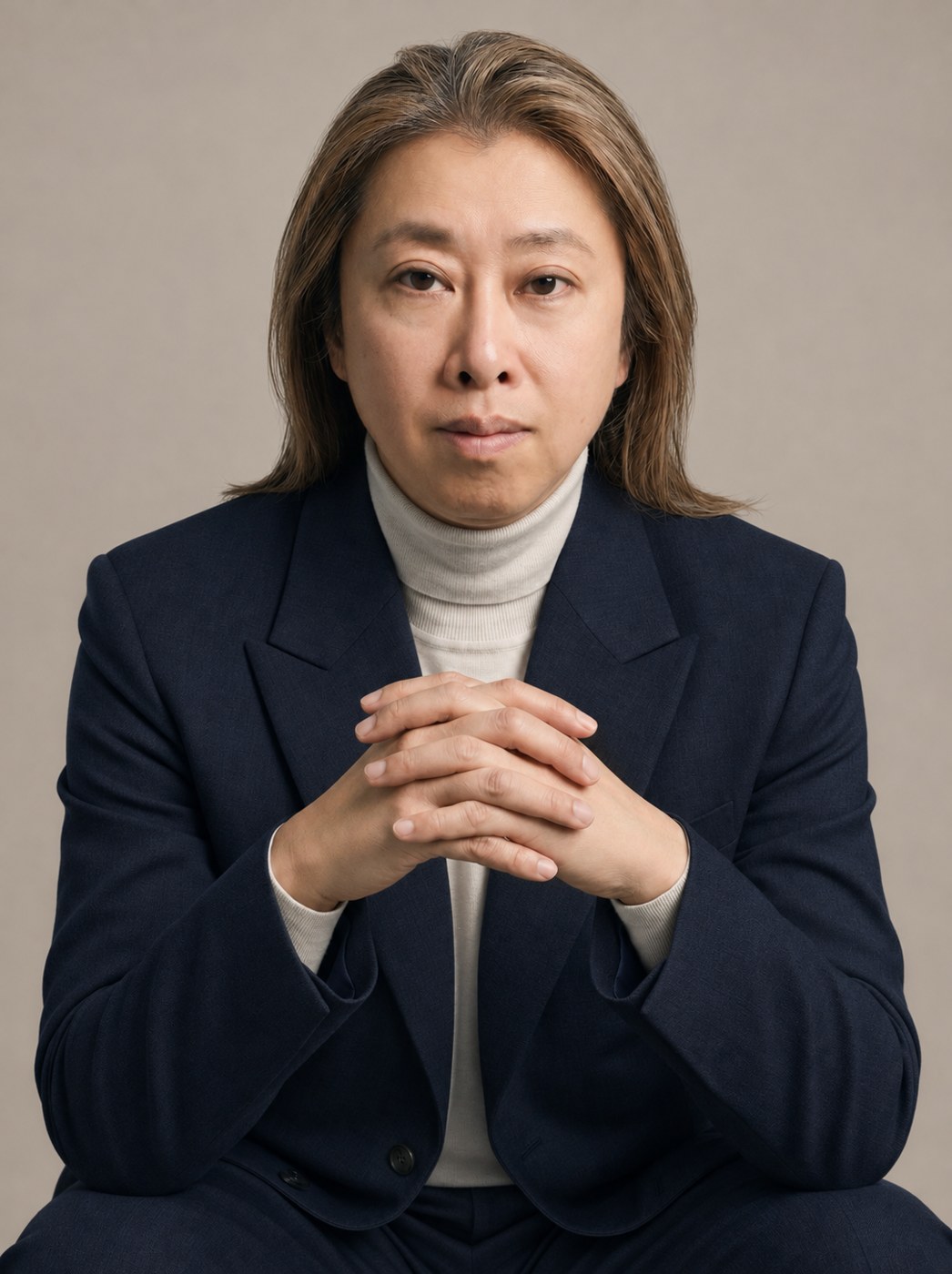
PROFILE
Keiji Matoba
Grew up in Wakayama, Japan. Trained for about ten years in Japanese kitchens, including The Ritz-Carlton Osaka and Yamazato at Hotel Okura Tokyo, before joining Yamazato at Hotel Okura Amsterdam (one Michelin star) as sous chef in 2008.
Executive Chef, India and East Asia for Hide Yamamoto at Marina Bay Sands, Singapore; Japanese Executive Chef at The Chedi Andermatt; and from 2016, Corporate Executive Chef at Aman, where he created the Japanese restaurant brand NAMA.
Since 2020, Representative Director of Power 8 Tokyo, cooking and consulting for hotels and restaurants in Japan, Morocco, Singapore, the United States, the Bahamas, Turks and Caicos, Belgium and France.